
Clinical Scan Analysis: The Difference Between Chest Fat and Glandular Gynecomastia
Clinical findings confirm why localized chest fullness remains after major weight loss, and how specialized micro-glandular removal restores anatomical flatness in under 60 minutes.
Matching Facebook Ad Creative
Place the high-res Facebook ad visual (Dr. Vishal / Clinical Scan / Fitted Shirt) here.
Dr. Vishal Purohit
MS, MCh (Plastic Surgery) • Jaipur
Burns with calorie deficit, making the hard central gland more pronounced
Hormone-mediated gland with zero fat receptors — immune to diet & cardio
Grows with bench pressing — inadvertently pushes underlying gland forward
📷 Section 2 Visual Hook (Ad / Anatomical Match)
Recommended: Clinical cross-section or Ad Variation 1 / 2 Visual
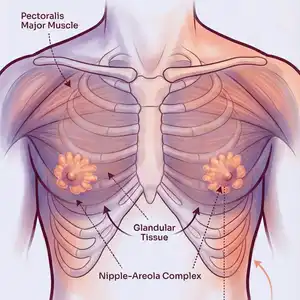
The Anatomy The Fitness Industry Overlooks
Many individuals reach target body fat levels only to find localized fullness remains unchanged.
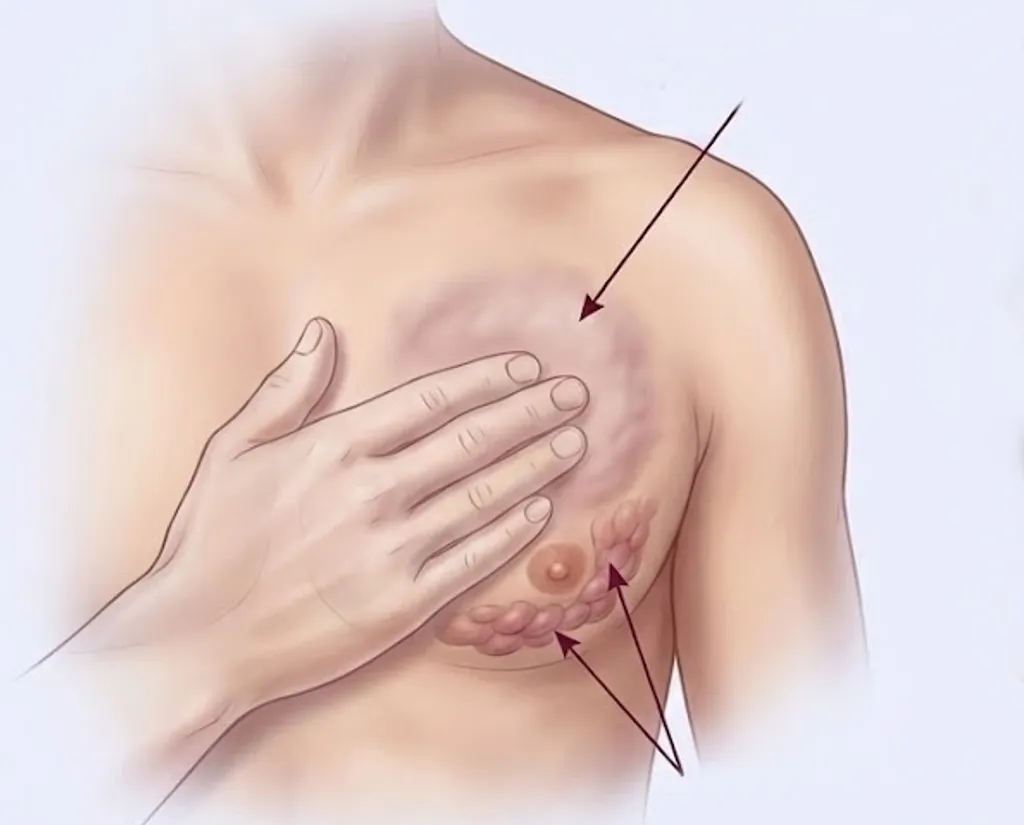
When a patient feels a firm, marble-like or rubbery mass directly behind the nipple, metabolic diets cannot help.
That is glandular tissue.
Diet changes only reduce fat cells around the gland, which often makes the actual gland protrude even more visibly against a leaner torso.
What Is At Stake:
"Continuing to cut calories won't eliminate glandular core structures — it only increases chest prominence and causes physical tenderness."
The 3-Step Clinical Scan & Treatment Pathway
Anatomical Assessment
Clinical and ultrasonic palpation to differentiate subcutaneous adipose from hormone-mediated fibroglandular tissue.
High-Definition Sculpting
Micro-incisions smaller than a coin edge to remove the glandular core while VASER technology blends the pectoral borders.
Rapid Healing Protocol
Minimal bruising technique with same-day discharge, desk work resumption within 48 hours, and upper-body training by week 3.
Do You Have Gynecomastia?
Stop guessing. Find out if it’s Chest Fat or Glandular Gynecomastia in 60 seconds.
When you press down on your nipple area, what do you feel?
How does your chest look in a fitted t-shirt?
What happens when you are cold (or step out of a shower)?
When did you first notice it?
How does this affect your daily life?
Why Trust Dr. Vishal?
We utilize precision anatomical ultrasound diagnostics and specialized VASER contouring to permanently excise the root glandular core with micro-incisions smaller than a coin edge.

Medical Council Verified
12+ Years Experience
"Is surgery really necessary? If ultrasound reveals dense fibroglandular tissue, surgical excision is the only medically verified permanent solution in plastic surgery literature."
Our Answer: We built this technique specifically to solve that fear.
What is Gynecomastia?
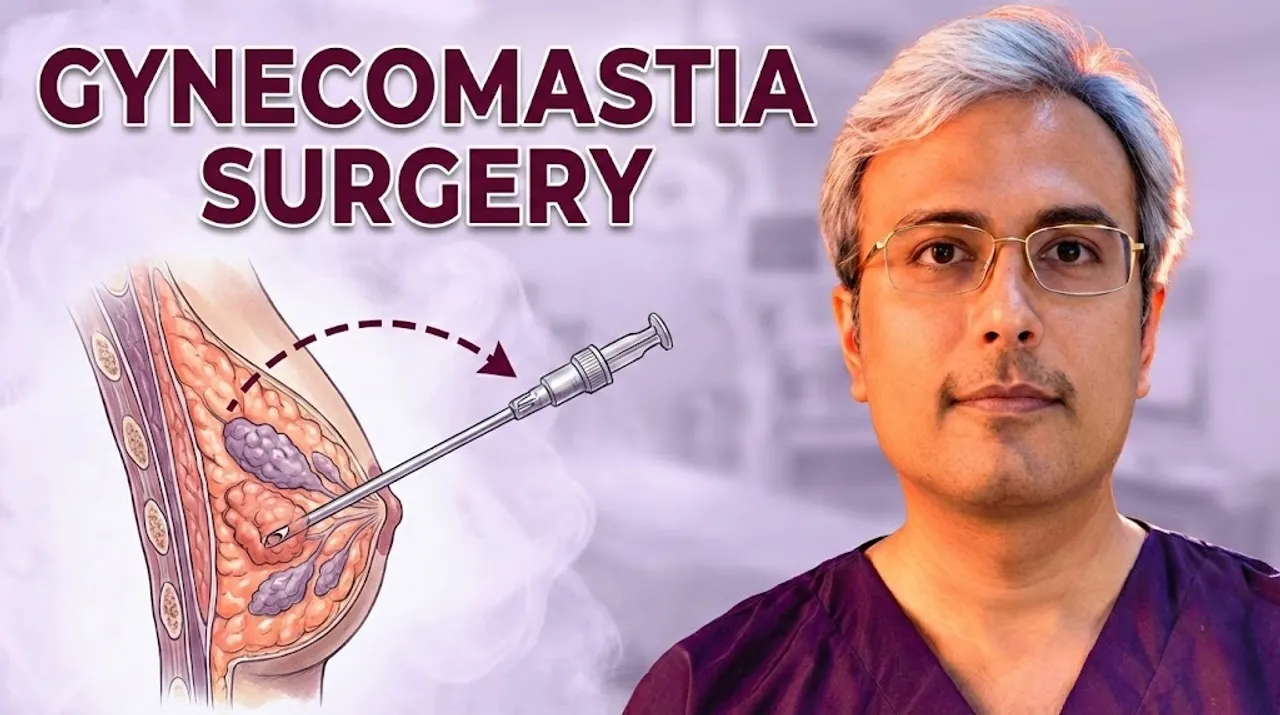
Tap to watch the transformation journey.
Anatomical Precision: Before & After
Interactive case outcome showing micro-glandular excision and seamless 360° pectoral contouring.
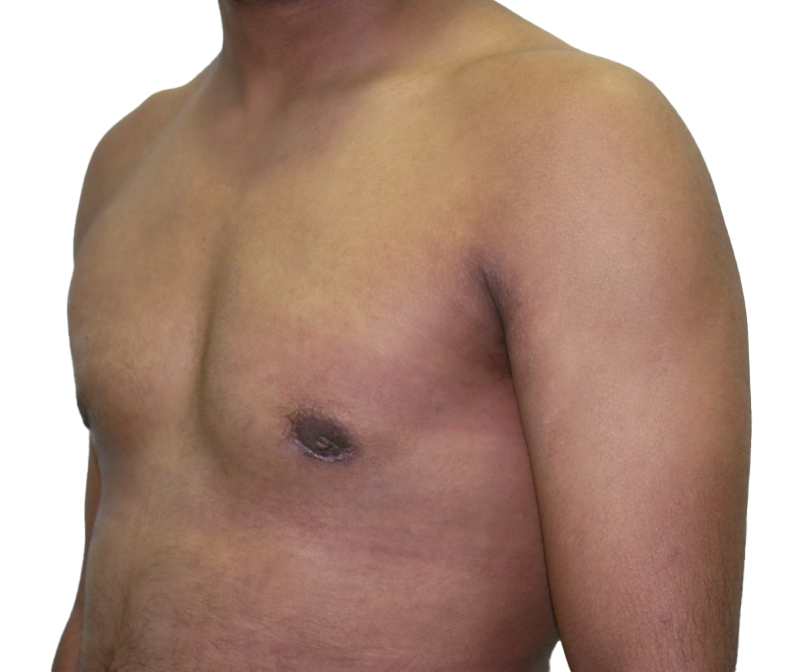 AFTER
AFTER 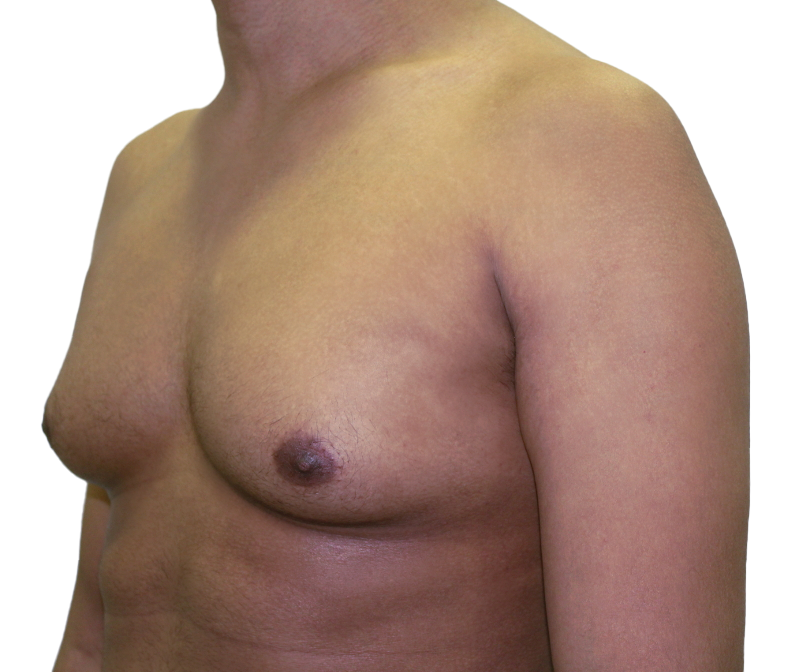 BEFORE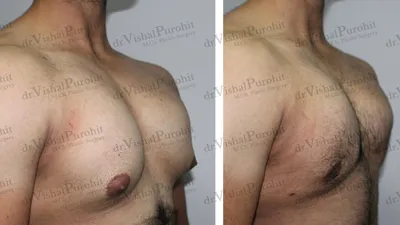
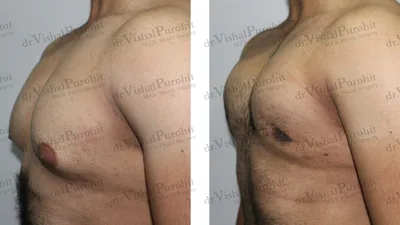
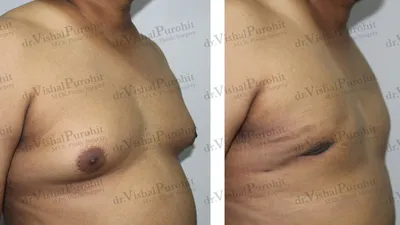
Your Path to Success
Anatomical Assessment
Pinpoint true gland volume versus surrounding fat deposits with high accuracy.
High-Definition Sculpting
Removal of the gland core plus 360° VASER contour blending along the pectoral perimeter.
Rapid Recovery Protocol
Minimal bruising protocols allowing return to desk work in 48 hours and gym training by week 3.
Everything You Need To Know
Transparent information on grading, recovery, and costs so you can make an informed decision.
The 4 Grades of Gynecomastia
Grade 1: Puffy Nipple
Localized puffiness around the nipple only. No excess skin.
Grade 2: Mild Enlargement
Moderate chest enlargement extending beyond the nipple. Chest looks 'soft'.
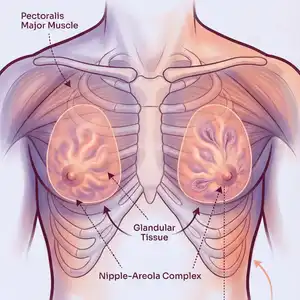
Grade 3: Visible Breasts
Significant enlargement with visible breast shape through clothing.
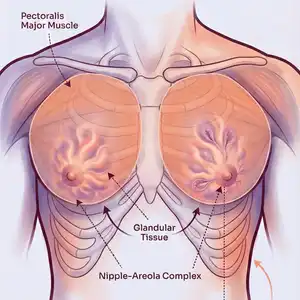
Grade 4: Severe / Ptosis
Large volume with sagging skin (like female breasts).
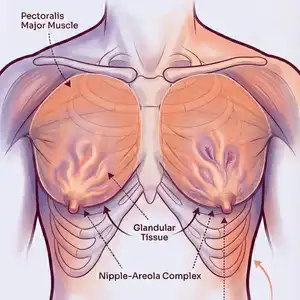
Recovery Timeline
Rest at home. Wear compression garment.
Back to desk work. Light walking allowed.
Light cardio (treadmill) allowed. Swelling subsides.
Back to gym (weights). Result 80% visible.
Day 1
Rest at home. Wear compression garment.
Day 3
Back to desk work. Light walking allowed.
Week 2
Light cardio (treadmill) allowed. Swelling subsides.
Week 4
Back to gym (weights). Result 80% visible.
Transparent Pricing (Jaipur)
| Package Tier | Estimated Cost | What's Included |
|---|---|---|
| Grade 1 Package | ₹40k - ₹50k |
|
| Grade 2 Package | ₹50k - ₹65k |
|
| Grade 3 Package | ₹60k - ₹80k |
|
| Grade 4 (Reconstruction) | ₹75k - ₹1.2L |
|
* Final price determined after physical consultation. Financing options (EMI) available.
The Irresistible Offer
What You Get:
- Full clinical tissue examination & grade classification - ₹1,500 value
- Custom surgical compression garment - ₹4,500 value
- Post-op care protocol & 6 months direct surgeon follow-up - Priceless peace of mind
Our Promise: Root Tissue Guarantee: Glandular core cells are physically removed and permanently eliminated.
100% confidential. Connect directly with our clinical coordinator.
Frequently Asked Questions
Does Health Insurance Cover Gynecomastia Surgery?
Health insurance typically classifies gynecomastia surgery as a cosmetic procedure, leading to frequent denials unless specific "medical necessity" criteria are met, such as documented pain, persistence after puberty, and failure of other treatments. While the gland excision portion might be covered with rigorous documentation and pre-authorization, the liposuction component is almost always an out-of-pocket expense, making financing options like medical EMIs a common alternative.
Read More →When Can I Resume Exercising After Gynecomastia Surgery?
Returning to the gym requires patience to prevent complications like hematomas or seromas, with the first two weeks restricted to light walking for active recovery. Cardio and lower body exercises can typically resume around weeks 3-4, while upper body resistance training should wait until weeks 4-6, with heavy compound lifts like bench presses reserved for after week 6 to 8 once internal tissues have matured.
Read More →Can You Get Rid of Gynecomastia Without Surgery?
While diet and exercise can reduce chest fat associated with pseudogynecomastia, they are ineffective against true gynecomastia caused by fibrous glandular tissue. Supplements, topical creams, and non-invasive treatments generally fail to remove this rubbery tissue, making surgical excision the only permanent solution for a flat, masculine chest when glandular enlargement is present.
Read More →How Much Does Gynecomastia Surgery Cost?
The cost of gynecomastia surgery in India generally ranges from ₹40,000 to ₹1,50,000, depending on the city, clinic reputation, and the complexity of the case. This price includes the surgeon's fee, anesthesia, facility charges, and technology used (such as VASER), with higher costs typically associated with premium metro clinics, revision surgeries, or severe grades requiring extensive contouring.
Read More →What is the Difference Between Liposuction and Gland Excision?
Gynecomastia surgery typically combines two distinct techniques: liposuction to remove soft fatty tissue and contour the chest, and gland excision to physically cut out the fibrous, rubbery disc behind the nipple that cannot be suctioned. While liposuction alone may suffice for pure fatty enlargement (pseudogynecomastia), the combination approach is essential for treating true gynecomastia to ensure a flat result without a "puffy nipple" appearance.
Read More →What is the Recovery Timeline for Gynecomastia Surgery?
Recovery begins with a few days of rest and wearing a compression vest to manage swelling, with most patients returning to sedentary work within 3 to 5 days. Light cardio can usually resume after 3 weeks and chest resistance training after 4 to 6 weeks, while the final aesthetic results, including faded scars and fully retracted skin, typically manifest between 3 to 6 months post-surgery.
Read More →Will I Have Visible Scars After Gynecomastia Surgery?
While all surgeries involve incisions, gynecomastia scars are strategically hidden along the areola border or in the armpit to blend with natural skin folds and pigment transitions. With proper post-operative care like silicone gel application, sun protection, and massage, these marks typically fade significantly over 12 to 18 months, becoming barely noticeable for the majority of patients.
Read More →How Do I Tell the Difference Between Gynecomastia and Chest Fat?
The key difference lies in the tissue texture: pseudogynecomastia is composed of soft chest fat that feels uniform, whereas true gynecomastia involves a firm, rubbery glandular disc directly behind the nipple. A simple "pinch test" can help distinguish the two, but since many men have a mix of both, a professional evaluation determines whether liposuction alone or a combination with gland excision is required.
Read More →Is Gynecomastia Surgery Permanent?
Gynecomastia surgery is considered a permanent solution because the removed glandular tissue cannot grow back, and removed fat cells do not regenerate. However, recurrence is possible if the patient experiences significant weight gain, uses anabolic steroids, or suffers from specific hormonal imbalances that stimulate the small amount of remaining tissue.
Read More →What is the Best Age for Gynecomastia Surgery?
For adolescents, surgery is typically delayed until puberty has ended and breast size has been stable for two years, as many cases regress naturally; however, exceptions are made for severe grades or mental health distress. For adults over 20, the condition is usually permanent due to fibrosis, making surgery the recommended treatment option without the need for a waiting period.
Read More →What Are the Risks and Complications of Gynecomastia Surgery?
While gynecomastia surgery is generally safe, potential complications range from temporary side effects like numbness, bruising, and seromas to aesthetic issues such as asymmetry, crater deformities from over-resection, or inverted nipples. Serious risks like infection or necrosis are rare but higher in smokers, and roughly 5-10% of patients may require revision surgery to correct minor irregularities or "dog ears."
Read More →What is Gynecomastia? Causes, Symptoms, and Grades Explained
Gynecomastia is the benign enlargement of glandular tissue in the male chest caused by a hormonal imbalance between estrogen and testosterone, distinct from simple chest fat (pseudogynecomastia). It is classified using the Simon Grading Scale, ranging from Grade 1 (minor puffiness) to Grade 4 (severe enlargement with sagging skin), and often presents with symptoms like tender, puffy nipples that require professional diagnosis.
Read More →